
People love to talk about low code and no code platforms as if they are a revolution.
Can they help you make a quick change, deploy a short-term solution, or get something live fast? Absolutely.
But here is the truth.
There is no such thing as low code.
There is no such thing as no code.
There are only platforms that limit your access to the code.
And those limits matter more than most businesses realize at the start.
Access Is the Difference
When you cannot see the code, you cannot shape it.
When you cannot shape it, you cannot customize it.
And when you cannot customize it, your business eventually hits a wall.
That wall usually appears right when things are working. Traffic grows. Campaigns get more sophisticated. Marketing wants flexibility. Product wants differentiation. Accessibility requirements become non-negotiable. Integrations become more complex.
That is when the tradeoffs you made for convenience come due.
As Ben Comroe, Director of Strategy at Logical, puts it: “All things are possible through code, unless we don’t have access to the code.”
Low code and no code platforms promise simplicity. What they actually deliver is constraint. And constraint is rarely a problem until your business needs to move.
Simple Is Not the Same as Scalable
These platforms often feel empowering at first. Drag this. Drop that. Pick from a menu of predefined blocks. The abstraction makes the work feel easier and more accessible.
But simple is not the same as scalable.
Simple is not the same as flexible.
Simple is not the same as customizable and yours.
At Logical, we have seen this pattern repeatedly. Businesses launch on a block-based or low code system because it feels faster and safer. Then marketing, sales, and leadership start asking reasonable questions.
Can we emphasize this product differently?
Can we reuse this component but adjust it slightly here?
Can we change how this behaves on one page without breaking others?
Can we meet accessibility requirements without fighting the platform?
That is when the abstraction starts to crack.
“Clients Do Not Like to Draw Inside the Lines”
One of Logical’s senior developers explained it this way:
“Low code, block-based websites may seem deceptively easy to create and maintain. However, in my experience, clients do not like to draw inside the lines.”
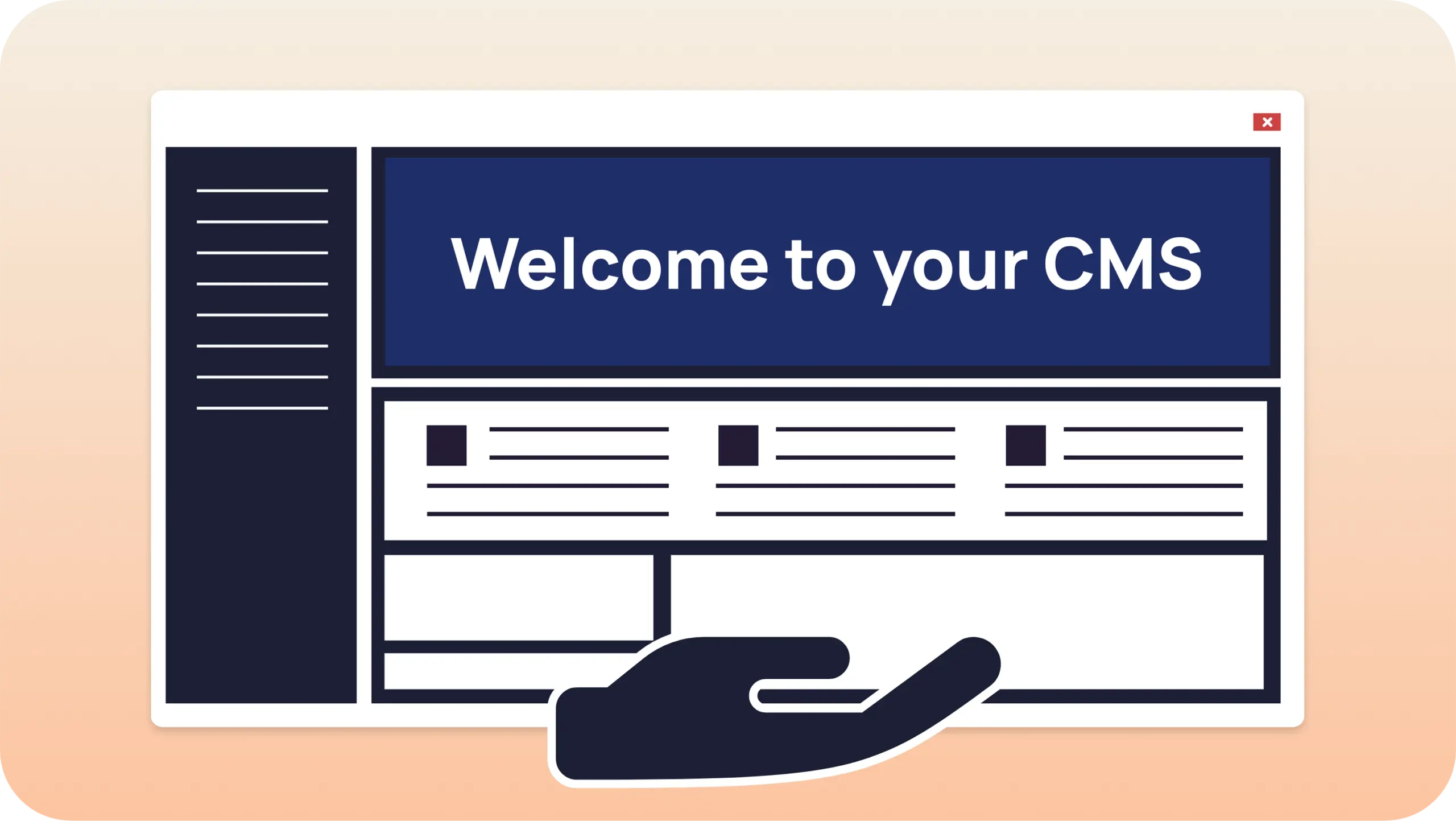
Block systems are designed to make websites feel less intimidating. They turn something abstract into something tangible. Place this block here. Stack another block there.
The problem is not that blocks exist. The problem is what happens when clients want more.
As that same developer noted: “Blocks give a false sense of security. The biggest issue I see is that clients desire more.”
More creativity.
More customization.
More flexibility as the site grows.
Clients want to emphasize a product differently on a landing page than on a blog. They want to reuse one element of a block without inheriting everything else that comes with it. They want control at a granular level.
And that is where block-based systems start working against them.
When One Small Change Becomes a Big Problem
This real-world example should be simple, and is common.
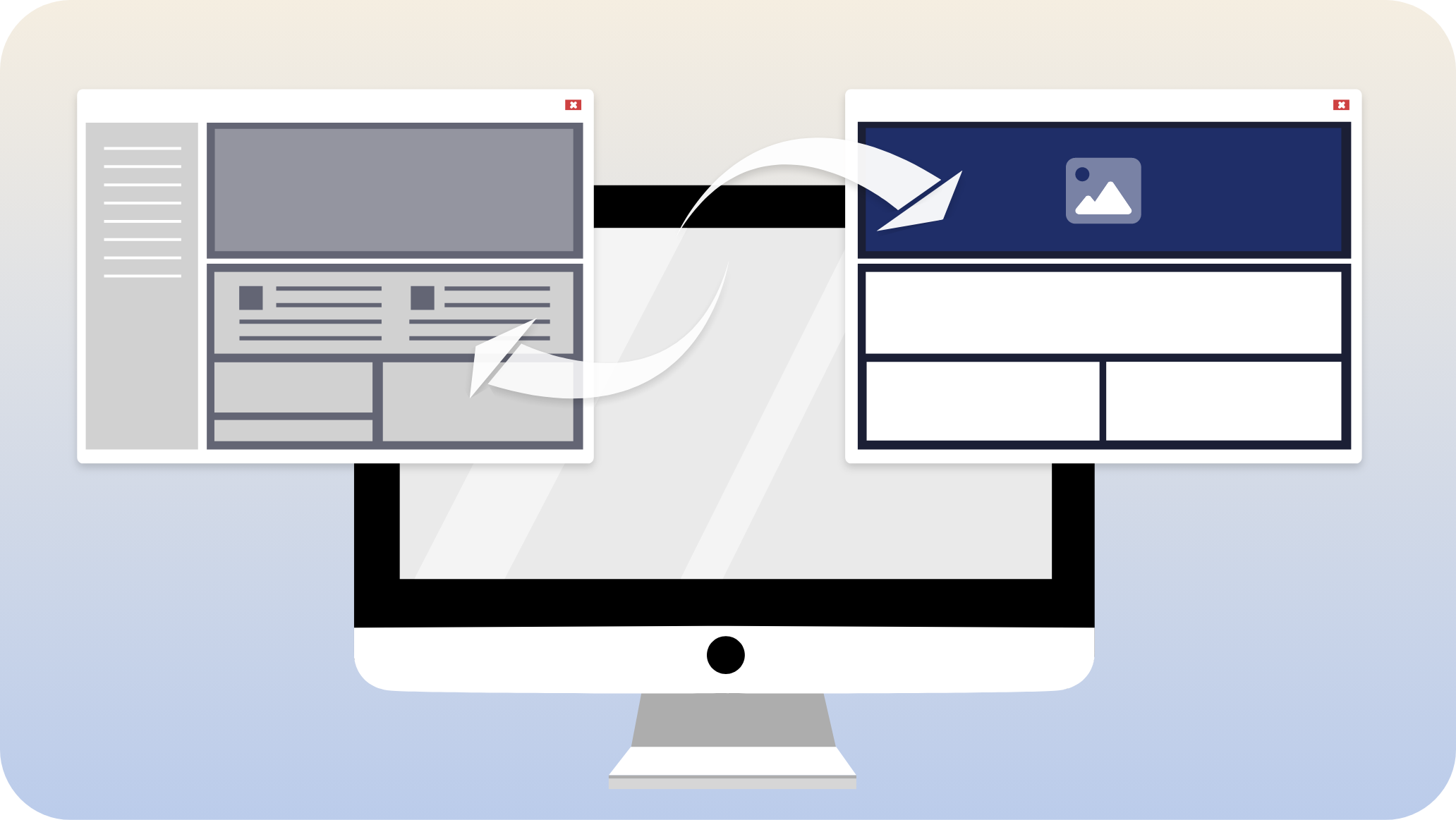
A client likes a button on one block and wants that same button added to another block on a specific page. In a block-based system, changing block A means changing every instance of block A across the site.
That is rarely what the client wants.
So now you create a new block. Just for that one variation. Then another. And another. Suddenly the system that was supposed to simplify things becomes harder to manage than custom code ever was.
As our developer explained: “If you are not using a block-based website, you can just add that button anywhere with a simple copy and paste. With block systems, small changes become structural changes.”
The client and marketing team reasonably assume they should have freedom. Websites are not cheap to build or maintain. The expectation of flexibility is justified.
A low code or no code platform breaks that promise.”
Speed Now Versus Control Later
Low code and no code platforms are not inherently bad. They are situational.
Another Logical developer framed it clearly:
“Low code and no code platforms are great when you need to develop something really fast and are willing to cut corners and make concessions to the platform.”
That tradeoff can be acceptable early on. But projects do not stay early forever.
“As projects mature and customization becomes a need, those platforms become roadblocks. Platforms whose code you do not have access to.”
Choosing a low code or no code platform is choosing a ceiling. Unless everything is perfectly planned from day one and nothing ever changes, which is not realistic, you are locking future growth behind a system that was never designed to evolve with you.
That is not innovation. That is deferral.
Real Control Comes From Access
At Logical, we believe real control comes from systems that let you adapt, extend, and grow without artificial limits.
That belief shapes how we approach web development, content, and design together. Code is not a backend concern. It is the foundation that determines what is possible everywhere else.
It determines how accessible your site can be.
- How performant it can be.
- How flexible your marketing can be.
- How well your design system can evolve.
Jared, one of Logical’s developers who focuses deeply on accessibility and long-term maintainability, often reminds clients that abstraction always comes at a cost. If you cannot touch the underlying structure, you cannot fully solve real problems when they appear.
Access is what allows quality to compound over time instead of eroding.
If You Are Outgrowing Your Platform, Listen
If your business is outgrowing your low code or no code tools, the problem is not your ambition.
The problem is the platform.
At Logical, we are known for exceptional web development because we build systems that respect how businesses actually grow. Our content and design capabilities are expanding for the same reason. Strategy, creativity, and code have to work together, not inside separate boxes.
That is how you get durability instead of fragility.
That is how you get flexibility instead of workarounds.
That is how you get results.
Logical. The Constant is Results.
Need help with coding and development? Get Logical. Get results. Talk to us today.