
This morning, I walked into the kitchen, spotted an envelope on the table, stopped to sort the mail, and halfway to my home office, a stack of bills in hand, I thought, “Wait a second, where’s my coffee?”
Have you ever walked into a room, looked around, and completely forgotten why you came in?
You’re not alone.
It’s called the doorway effect. This is a fascinating psychological phenomenon where crossing through a doorway can cause your brain to forget what it was just doing.
Researchers say it happens because our brains segment memories based on physical environment and context. Passing through a door signals the start of a new episode, which makes it harder to recall what came before.
That’s how, gasp, I started my day without coffee. And that was just coffee.
But here’s where it gets interesting. This kind of mental reset doesn’t only happen with actual doorways. It happens online too.
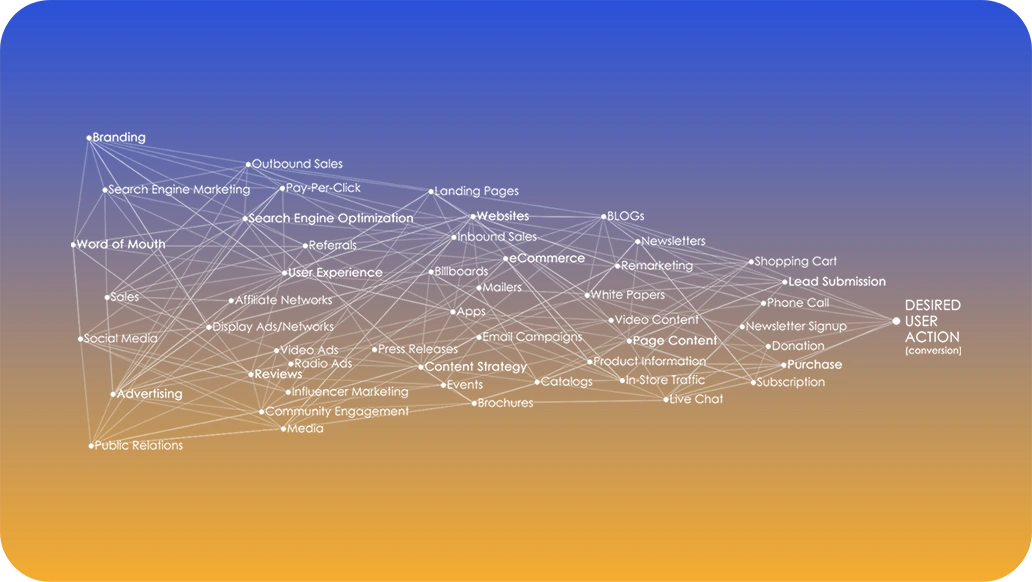
Every time a user clicks between web pages, opens a new tab, or switches between apps, they’re crossing another kind of threshold. That subtle shift in context can cause just as much disorientation. In digital terms, that often leads to distraction, frustration, or abandoning the task altogether. And that can affect results.
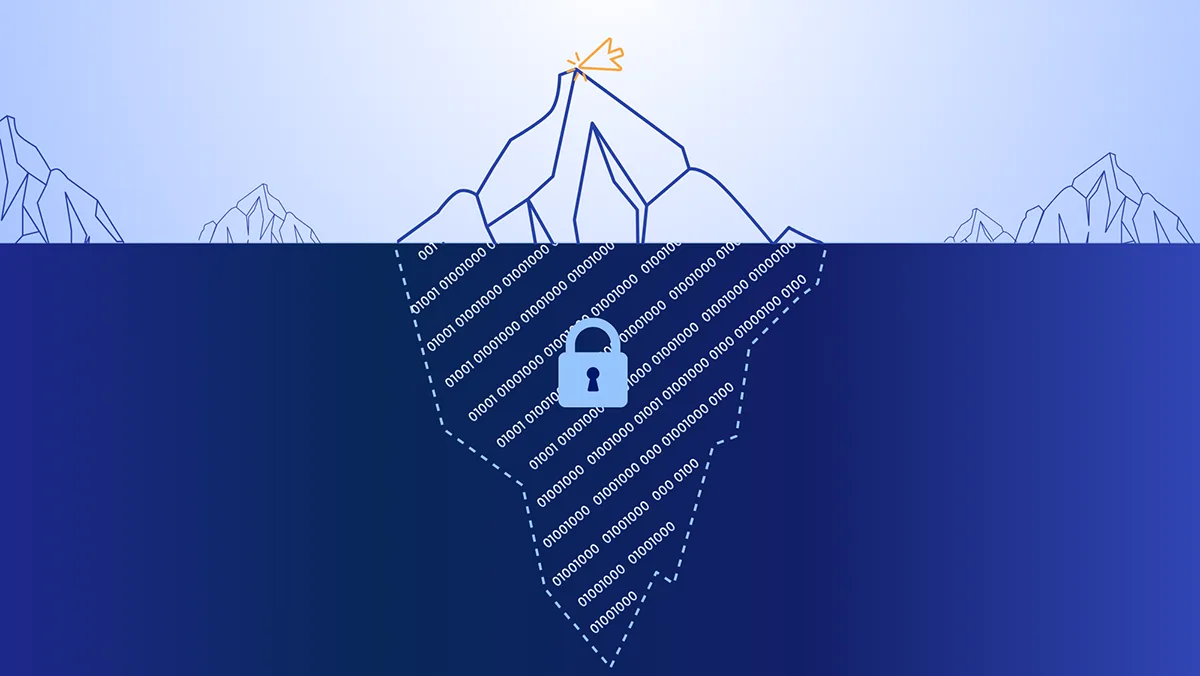
Digital Doorways Are a Risk.
If your site forces visitors to jump from page to page to complete a task or find critical information, you’re creating digital doorways. With each one, the chance of confusion or drop-off increases. And if the user forgets why they came, they rarely stick around to remember.
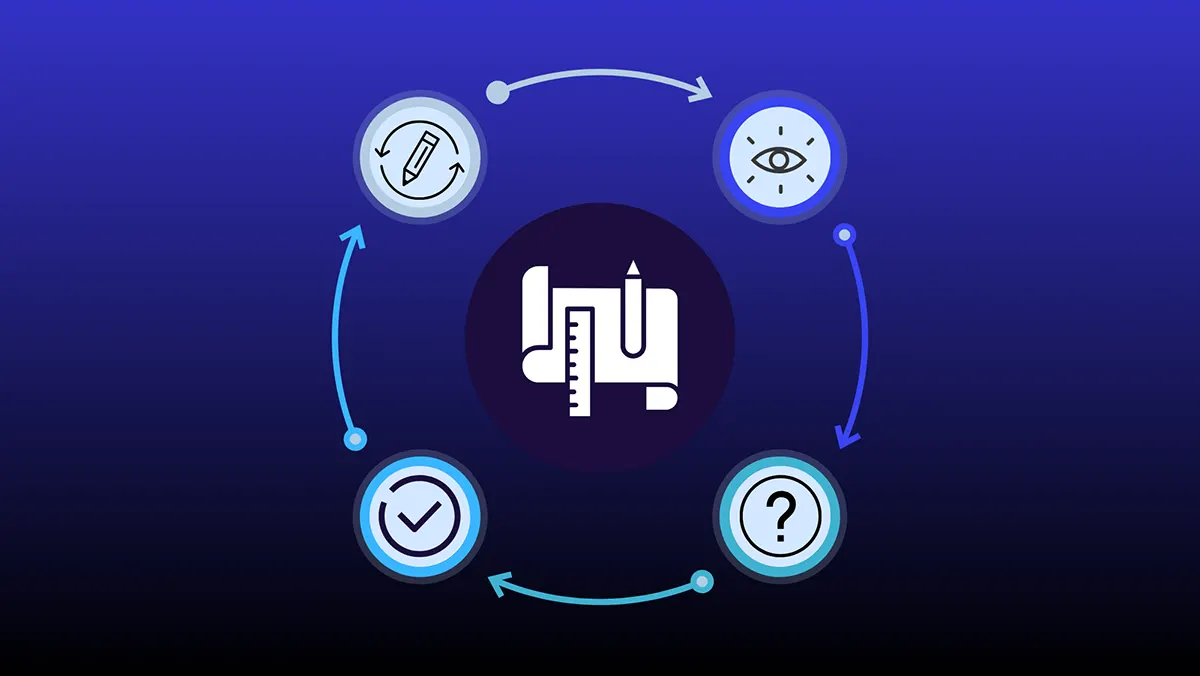
At Logical, we’ve seen firsthand how minimizing unnecessary steps and keeping everything a customer needs in one focused space can dramatically improve the experience. It’s not about building fewer pages. It’s about building the right ones. The ones that keep people engaged and lead them directly to action. The kind that gets results.
Because at the end of the day, the goal isn’t just a cleaner interface or smoother flow. The goal is results. That’s what drives every design choice and technical decision we make. Like us, your constant should be results. That mindset shapes how we help clients structure and optimize their digital presence.
Whether it’s a clean landing page, a streamlined form, or a product page with all the right details, clarity keeps people moving. The next step becomes obvious. The action gets taken. And the results follow.
Don’t Let Your Customers Forget Why They Came.
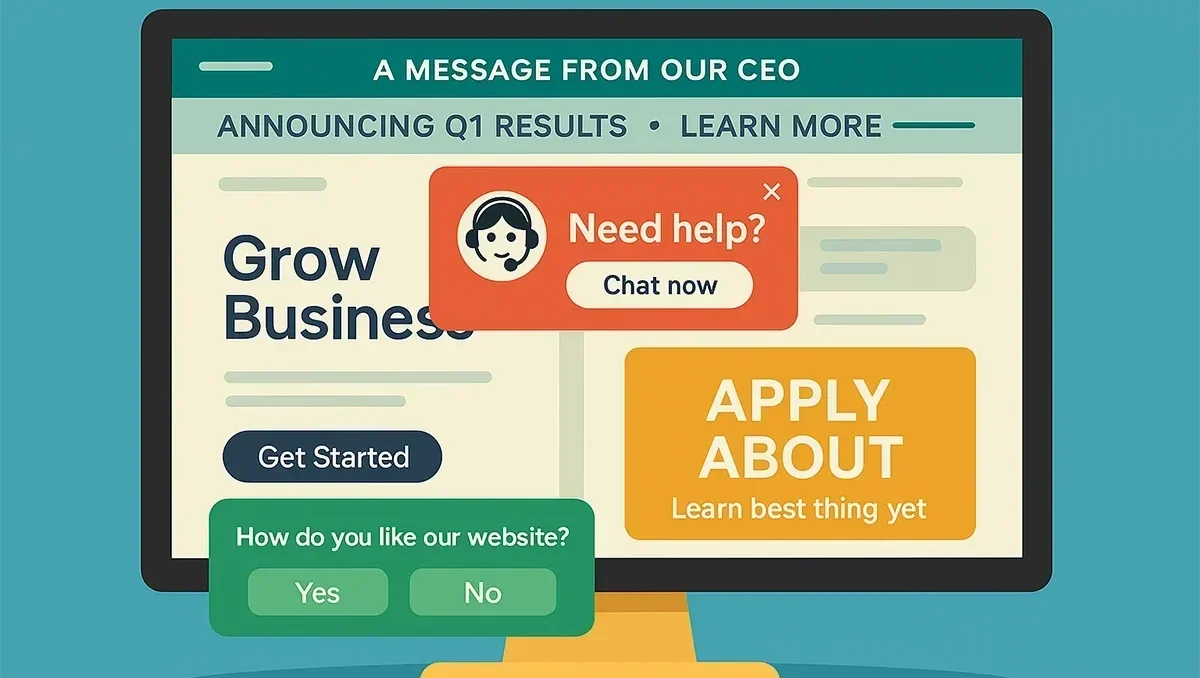
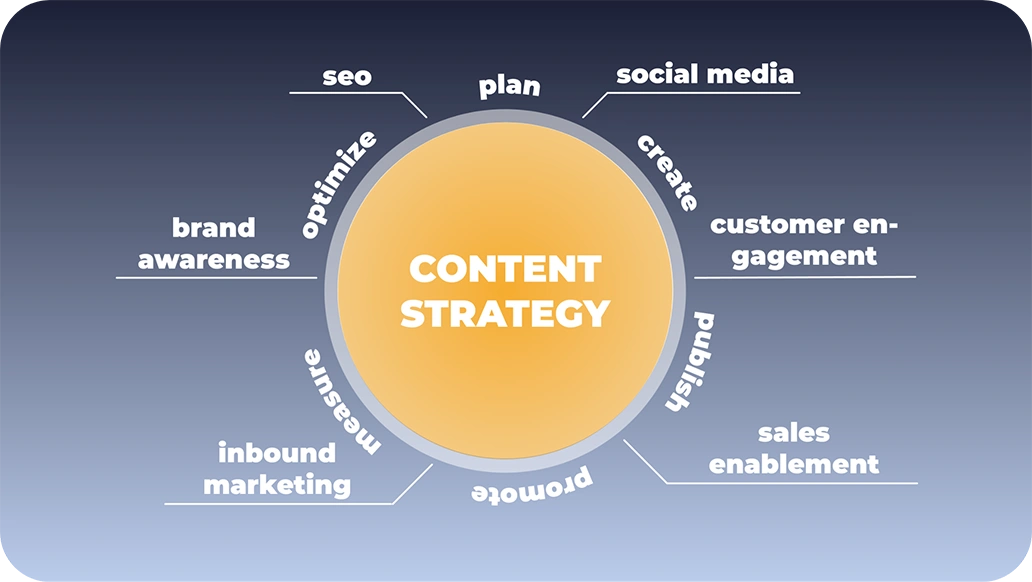
When every click carries a risk of distraction, keeping people focused becomes a competitive advantage. Clear navigation, intentional design, and tightly organized content can keep visitors from drifting and help them stay on track toward conversion.
At Logical, we design with intent. We develop with purpose. Because results are not just something we aim for. They are the standard we work from. The constant is results.
Let’s talk about how to create smoother, more satisfying customer journeys that deliver outcomes that matter.
Schedule a time to talk with us today.
Research Note
Gabriel A. Radvansky, Sabine A. Krawietz, and Andrea K. Tamplin conducted several studies at the University of Notre Dame around 2010–2011 that specifically explored the “doorway effect.” The results were published in a 2011 paper titled Walking through doorways causes forgetting: Further explorations in The Quarterly Journal of Experimental Psychology.
David E. Copeland worked with Radvansky earlier on related research about event models and memory organization, especially how context and environmental changes affect recall.